


Indoor gardening systems enable better control over plant growth while using space more effectively and providing constant results. The indoor hydroponic garden uses a method where plants grow in water that contains nutrients instead of using traditional soil. The system creates an indoor space where plants can grow under controlled conditions throughout all seasons. The combination of LED grow lights with seedlings delivers consistent light requirements which help plants grow during their initial development stage in locations that lack adequate natural sunlight.
Vertical Structure for Space-Efficient Growing
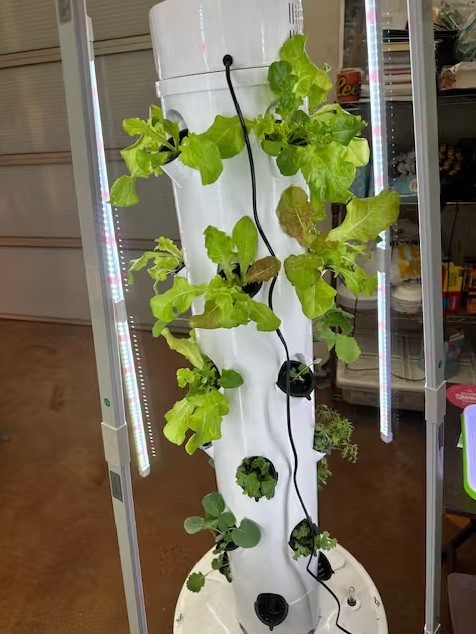
The indoor hydroponic garden uses a vertical design which enables it to accommodate multiple plants within a small growing area. The system uses stacked levels to organize plants instead of planting them across a large area which helps maximize the use of vertical space.
Indoor spaces with limited room benefit from the vertical structure because it provides an efficient use of space. The system maintains a neat growing environment which enables more plants to grow in a smaller space. The design ensures that the setup remains compact and manageable in residential or indoor spaces.
Soil-Free Nutrient Delivery System
The system operates without soil because it uses a water-based nutrient solution as its sole method of operation. The solution provides essential nutrients to the plant roots through a controlled system which delivers the nutrients at a steady rate.
The indoor hydroponic garden method eliminates the variable results that soil gardening methods produce. The system provides plants with a continuous nutrient supply which results in consistent growth conditions throughout the entire system.
Continuous Water Circulation Process
The system uses its repeating water system as a main operating component. The nutrient solution gets stored in a reservoir before it gets pumped to the building’s highest point. The solution flows down through each plant level before it returns to the reservoir.
The system functions as a closed loop which provides each plant equal access to water and nutrients. The system enhances efficiency because it recycles the nutrient solution while maintaining stable environmental conditions for the indoor hydroponic garden setup.
Role of LED Grow Lights for Seedlings in Early Growth
Plants require light to grow throughout all stages of their development but the need becomes especially critical during their first stages. The LED grow lights for seedlings provide a light source which enables plants to grow from germination to their first growth stage.
The lights provide essential illumination which ensures that seedlings receive continuous light throughout their growth period. The system helps maintain growth conditions during plant development when plants are at their most vulnerable state.
The seedlings use LED grow lights to create a steady light environment which sustains their photosynthesis processes. The indoor hydroponic garden provides a controlled environment which allows young plants to grow correctly.
Structured Plant Arrangement System
The system creates fixed plant locations which produce a structured layout for plant arrangement. The vertical framework contains specific spots where each plant should be positioned.
The indoor hydroponic garden uses this system to create a balanced arrangement that extends from the top level to the base level. The system enables users to track plant growth while maintaining proper distribution of plants throughout the entire space.
Automated Water and Lighting Cycles
Indoor hydroponic systems use automatic functions to manage both their water systems and their light schedules. The system provides continuous plant care through automated cycles which deliver consistent maintenance requirements.
The indoor hydroponic garden uses automation to create stable environmental conditions. The system controls water flow for both hydroponic gardens and LED grow lights which maintain their scheduled operation to benefit plant growth.
Controlled and Stable Growth Environment
The system uses nutrient-rich water delivery and consistent lighting to create a stable environment which supports plant growth. The system prevents plant growth changes which would normally occur in standard gardening practices.
The light system provides constant light exposure to all early stage plants through its LED grow lights. The system supports expected growth patterns which occur in the indoor hydroponic garden.
Year-Round Indoor Cultivation
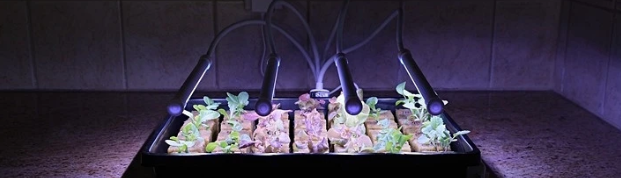
The indoor hydroponic garden operates independently from seasonal weather patterns and external weather changes. The system enables continuous plant growth because its controlled environment permits year-round plant development.
The system creates indoor plant growing conditions through its regulated water circulation and constant lighting. The system enables indoor plant growth at any time because it removes the need for outdoor space.
Efficient Use of Indoor Space
The system’s vertical structure and compact design make it ideal for indoor spaces that have limited available space. Users can now manage multiple plants without needing extensive garden space.
The indoor hydroponic garden system enables indoor use at kitchens and balconies while preserving its structured design that keeps all components in their designated places. The system works well in modern living spaces by providing convenient garden options.
Final Thoughts
The indoor hydroponic garden system with LED grow lights for seedlings provides people with an organized method to cultivate indoor plants. The vertical system together with its soil-free functioning and constant lighting produces an environment which enables plants to grow steadily from their initial phases.
The system provides users with a structured indoor growing solution which delivers reliable results through its organized design and space-efficient structure.