




The decision to have an elopement is a deeply personal one, and once it is made, the planning process can feel either exciting or overwhelming depending on where you start. Unlike a traditional wedding, which follows a well-worn checklist developed over decades of industry convention, an elopement is a blank canvas. You get to define every element from scratch. That freedom is exhilarating, but it also helps to have a framework. This step-by-step roadmap is designed to help couples who have chosen the intimate path to move forward with clarity, confidence, and excitement, rather than confusion.
Step One: Define Your Vision
Before booking anything, sit down together and define what you actually want from your elopement. Do you want total privacy with just the two of you, or would you like a small group of five to ten close people? Do you want a dramatic outdoor adventure or a quiet, intimate indoor setting? Do you want to travel internationally or stay within your home country? Answering these questions first prevents the kind of second-guessing and backtracking that makes planning stressful. Your vision is the filter through which every subsequent decision will be made, so getting clarity on it early is the single most valuable thing you can do before spending any money.
Step Two: Choose Your Location and Date
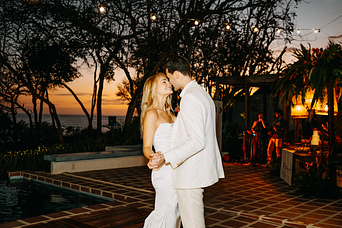
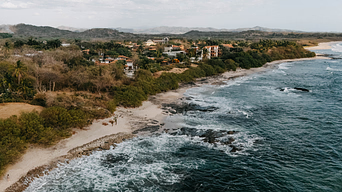
Location and date are deeply intertwined. If you want to elope in Costa Rica, for example, the dry season from December through April gives you the most reliable weather windows. If you dream of autumn foliage in Vermont, October is your month. Once you have a shortlist of locations, research the permit requirements. Many of the most scenic outdoor locations, national parks, state beaches, protected reserves, require permits for photography or ceremonies, and these often need to be booked weeks or months in advance. Having this sorted before you book your photographer saves time and avoids conflicts.
Step Three: Book Your Photographer First
For an elopement, the photographer is the most important vendor on your list, more important than flowers, attire, or even the meal afterward. The photographs are the primary artifact you will carry from the experience. Book your photographer first, before flights, before your officiant, before anything else. The best photographers in popular elopement destinations are often booked twelve to eighteen months out. Once you find a photographer whose work resonates with you emotionally, reach out immediately. Their availability may shape your date more than any other factor.
Step Four: Handle the Legal Side
Marriage laws vary significantly by location. In the United States, most counties require a marriage license obtained one to three days before the ceremony, with a waiting period in some states. For international elopements, the paperwork varies by country. Many couples choose to handle the legal marriage in their home city and hold the ceremonial elopement at their dream destination without worrying about foreign paperwork. Once the legal and ceremonial sides are sorted, focus on the experience itself: the words you will say, the people you will invite, the meal you will share afterward. And for stunning photography in Costa Rica, Sharing Life Photography offers elopement packages designed for exactly this kind of intentional, adventure-driven ceremony.
Conclusion
Planning an elopement does not have to be complicated. With a clear vision, the right location, an exceptional photographer, and a handle on the legalities, you have everything you need. The rest, the flowers, the cake, the celebratory dinner, are beautiful additions but not the point. The point is the two of you, a meaningful place, and a commitment made with full intention. That is always enough.