





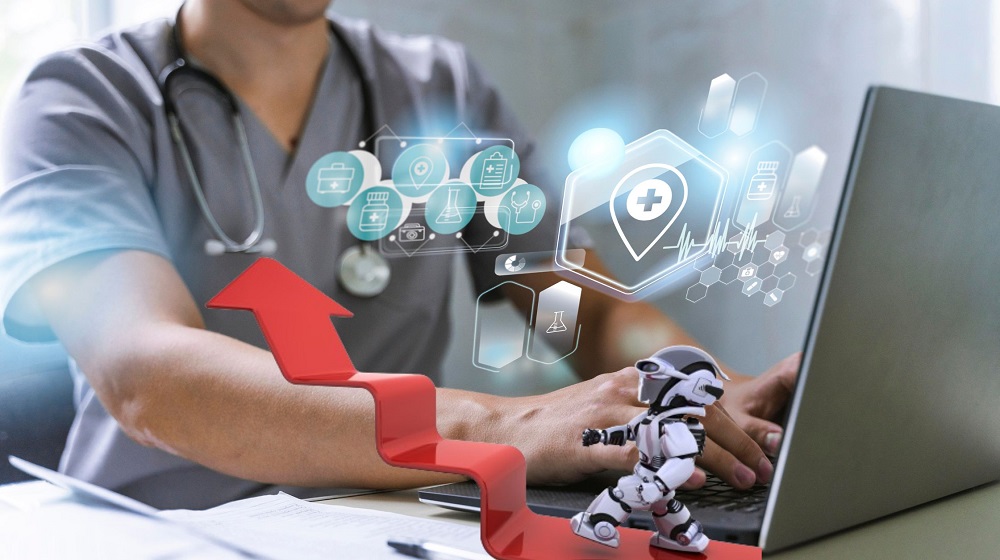
Healthcare is evolving rapidly, and one of the biggest shifts is the move from paper-based records to intelligent digital systems. Providers today need tools that not only store patient information but also improve accuracy, efficiency, and patient outcomes. This is where modern documentation tools come into play. By streamlining workflows and reducing administrative burden, they allow clinicians to focus more on what truly matters—patient care.
In a fast-paced clinical environment, documentation errors or delays can lead to serious consequences. Digital solutions are designed to eliminate such risks by ensuring that every detail is recorded, organized, and easily accessible. Let’s explore how this transformation is reshaping the healthcare experience.
Why clinical documentation software Is Essential Today
The demand for clinical documentation software has grown significantly due to increasing patient volumes and regulatory requirements. Traditional methods simply cannot keep up with the need for speed and precision. Digital platforms offer a centralized system where healthcare professionals can document, retrieve, and share patient data in real time.
One of the major advantages is improved accuracy. Automated templates and structured input fields reduce the chances of missing or incorrect information. Additionally, these systems often integrate with electronic health records (EHR), creating a seamless flow of data across departments.
Another key benefit is time efficiency. Instead of spending hours on paperwork, clinicians can complete documentation quickly using voice recognition, pre-built templates, or smart suggestions. This allows more time for patient interaction, ultimately enhancing care quality.
How clinical documentation software Enhances Workflow Efficiency
Efficiency in healthcare is not just about speed—it’s about doing the right things in the right way. With clinical documentation software, workflows become more organized and predictable. Tasks such as patient intake, diagnosis recording, and treatment planning are streamlined into a single system.
Here’s how it improves day-to-day operations:
- It reduces repetitive data entry through automation and pre-filled templates.
Beyond these benefits, collaboration is becoming easier. Multiple healthcare providers can access the same patient record simultaneously, ensuring everyone is on the same page. This reduces miscommunication and improves treatment outcomes.
Moreover, compliance with healthcare regulations is becoming simpler. Built-in features help ensure that documentation meets required standards, minimizing the risk of audits or penalties.
The Role of Technology in Patient-Centered Care
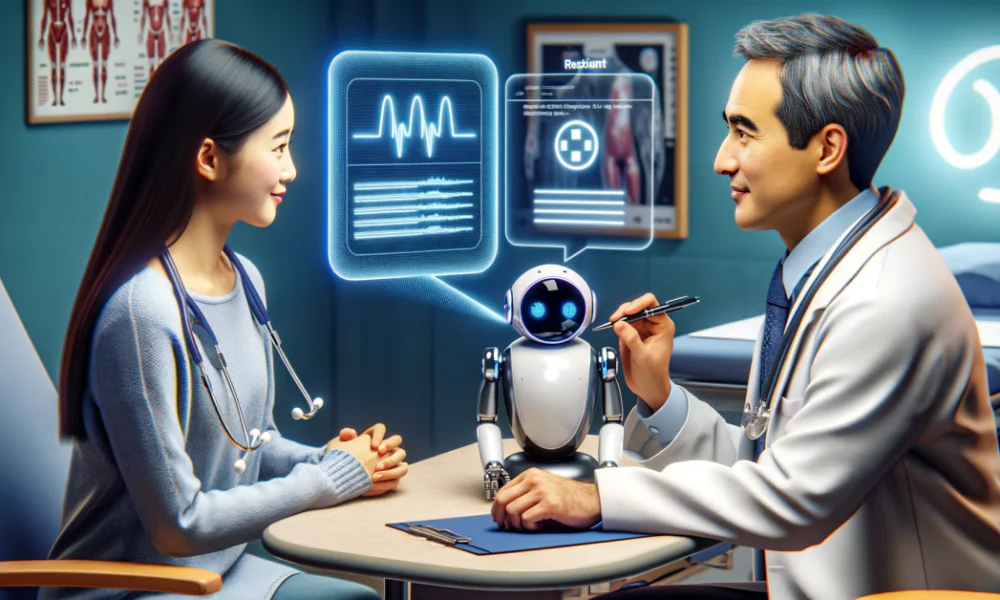
Modern patients expect transparency and efficiency in their healthcare experience. Digital documentation systems support this by enabling quicker diagnoses, faster treatment plans, and better communication. When healthcare providers have instant access to accurate patient data, they can make informed decisions without delays.
These tools also contribute to personalized care. By analyzing patient history and trends, clinicians can tailor treatments to individual needs. This not only improves recovery rates but also builds trust between patients and providers.
Another important aspect is data security. Advanced systems use encryption and secure access controls to protect sensitive patient information. This ensures that privacy is maintained while still allowing authorized professionals to access necessary data.
Challenges and Considerations
While the benefits are clear, adopting digital documentation systems does come with challenges. Initial setup costs, staff training, and system integration can be complex. However, these are short-term hurdles compared to the long-term advantages.
Healthcare organizations must also choose the right solution that meets their specific needs. Not all systems are created equal, so careful evaluation is essential. Factors such as user-friendliness, scalability, and customer support should be considered before making a decision.
Conclusion
The shift toward digital documentation is not just a trend—it’s a necessity in modern healthcare. By improving accuracy, efficiency, and patient care, these systems are transforming the way medical professionals work. As technology continues to advance, the role of smart documentation tools will only become more significant.
Investing in the right solution today can lead to better outcomes tomorrow. For healthcare providers looking to stay ahead, embracing digital transformation is the key to delivering high-quality, patient-centered care in an increasingly demanding environment.